Crypto 101
Crypto, explained
calmly.
Nervous about crypto? That's a healthy instinct. This page explains the basics in plain language, answers common fears, and shows you how to stay safe. Nobody's going to pressure you here.
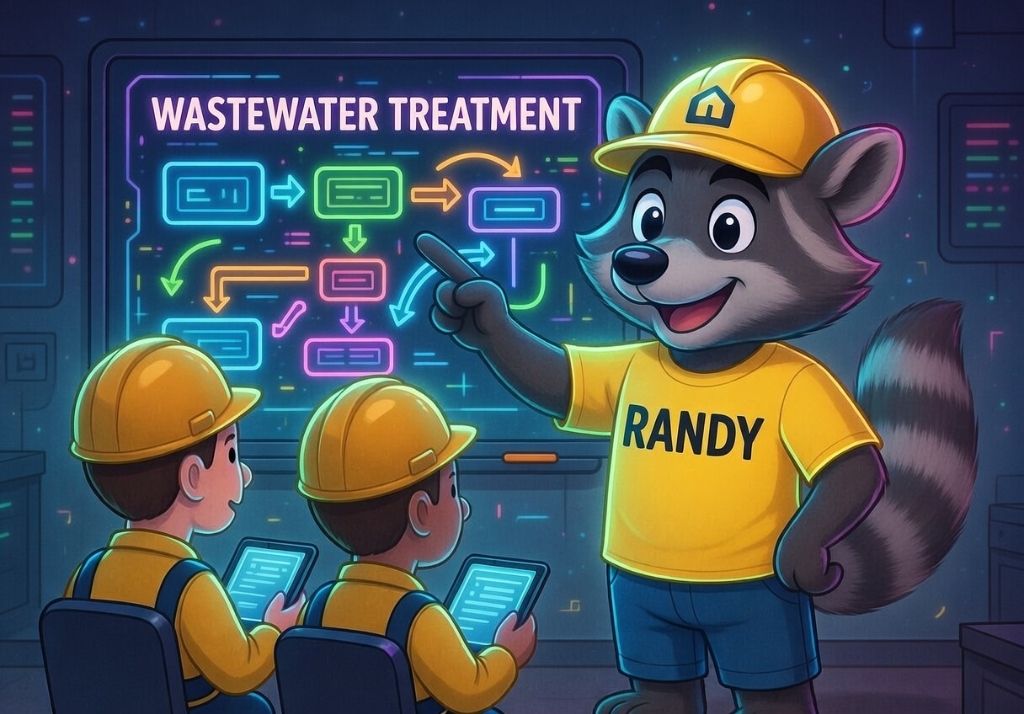 Randy says: take it slow 🐢
⚠️ Not financial advice. This page is for education only. It doesn't recommend buying, selling, or holding anything. Crypto prices can swing a lot, and you can lose money. Only ever use money you can afford to lose, and talk to a licensed financial professional about your own situation.
The basics
What crypto actually is
Think of it like a shared town ledger.
📒 A shared notebook
Picture one notebook that thousands of computers keep identical copies of. Every payment gets written in it, and no single person can secretly erase a line. That notebook is called a blockchain.
🪙 Digital money in it
Crypto is money that only exists as entries in that notebook. Bitcoin is the oldest and best-known example. There are thousands of others, and many aren't worth anything.
🔑 Keys, not a bank
There's no bank teller. You prove that coins are yours with a secret key, a bit like the only key to a lockbox. That makes you more independent, but you're also responsible for not losing the key.
Wallets
What a wallet is
A wallet doesn't hold coins the way a leather wallet holds cash. It holds the keys that let you use your coins in the shared notebook.
- Custodial (app/exchange): a company holds the keys for you, like a bank account. It's easier to use, but you're trusting that company.
- Self-custody: you hold the keys yourself. You get full control and full responsibility.
- Seed phrase: 12 or 24 words that can rebuild your wallet. Anyone who has them has your money.
- Hot vs. cold: a hot wallet is connected to the internet. A cold wallet stays offline, like a hardware device.
Common fears, answered
It's okay to be nervous
😟 "I'll get scammed"
Scams are real, but most follow the same few patterns: urgency, promises of guaranteed returns, and strangers asking for your keys. Once you know the red flags below, you'll spot most of them.
📉 "I'll lose money"
Prices really can drop fast. You can learn everything on this page without spending a cent. If you ever do try it, start with an amount you'd be fine losing completely.
🤯 "It's too complicated"
You don't have to learn it all at once. Learn one word a day. Nobody needs to understand the math to understand the safety rules.
Red flags
How to stay safe
If you only remember one thing: never share your seed phrase with anyone, ever.
- 🚫 Never share your seed phrase or private key. No real support team will ever ask for it.
- 📩 No one legit DMs you first. Strangers offering help or investment tips are almost always scammers.
- 💸 "Guaranteed returns" are a lie. So is "double your money."
- ⏰ Urgency is a tactic. "Act now" or "only today" means slow down.
- ❤️ Watch out for romance or friendship scams that slowly turn into "investing together."
- 🔗 Check the links. Type addresses yourself, bookmark real sites, and watch for look-alike URLs.
- 🔐 Turn on 2-factor authentication with an authenticator app, not SMS, where you can.
- 🎭 Celebrity giveaways are fake. Nobody sends back double what you send them.
Glossary
10 words, plain English
Take it slow
Gentle first steps
- Learn before you spend. Read this page and ask RandyAI your questions.
- Learn the red flags until spotting them feels automatic.
- Talk to someone you trust or a licensed financial professional.
- If you ever try it, start tiny, with an amount you'd be okay losing.
- Write your seed phrase on paper and keep it offline and private. No screenshots.
- Practice sending a very small amount before you ever send more.
- Feel free to stop at any step. Choosing not to buy is a completely valid choice.
FAQ
Questions people ask
Do I need to buy crypto to learn about it?
No. You can learn everything here without spending anything.
Is crypto a scam?
The technology is real, but scams are common around it. Projects range from established to completely worthless, so be skeptical.
Will you tell me what to buy?
No. We don't give investment advice or price predictions. This page only covers education and safety.
What if I lose my seed phrase?
With self-custody, there's usually no "forgot password" button, and the funds may be gone for good. That's why careful backups matter.
Someone messaged offering to help me recover funds. Is that real?
Almost certainly not. "Recovery" scams target people who've already lost money. Report it and don't reply.
How much should I start with?
We can't tell you that. It's personal, and it's not something we advise on. Many beginners choose to start with nothing at all and just learn.
Keep learning, at your own pace.
Ask RandyAI your questions in plain English, or take beginner Bitcoin lessons at LearnBitcoinFast.com. It's education, not advice.